INTERIOR SPACE: MEANING AND TYPES
We all dream of having a perfect home that allows us to feel safe and ease, while also dazzling our friends and family with a space that welcomes them in. The dream would be to invite them to stay awhile. There are tones of decisions to make when it comes to picking up your choice of furniture and colors.
It can be overwhelming for many people to grasp interior designing skills. I know that you guys must be excited to grab your seats and learn HOW TO EASILY BECOME AN INTERIOR DESIGNER. So let's get into our boats and start sailing form the beginning of our journey 😃.
In this blog I'll knowledge you with amazing facts and information about the true essence of interior spaces which can help you to begin your journey to become a basic designer.
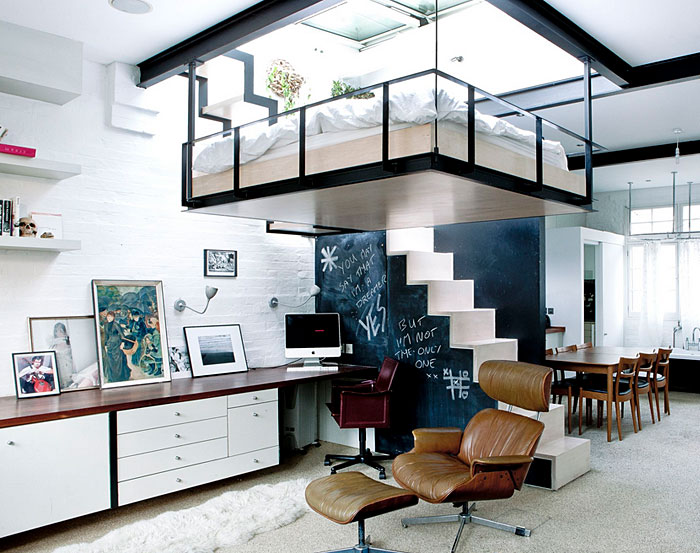
The foundation of an interior; space is a fundamental concept to understand, ensuring that we are best equipped to take advantage of what is available to us. The available ‘space’ usually can’t be easily changed (though sometimes a designer may have the luxury of doing so), so we need to work with what we have within the physical boundaries of the room.
 |
Good informative blog .. keep it up 👍🏻
ReplyDeleteThank you so much
DeleteExcellent information
ReplyDeleteTiny observations and satisfaction for the client with beautifuly organized furniture as per requirement is a basic concept for an Interior Designer.
ReplyDeleteI'll definitely remember this sir.
DeleteHi Dhvanee , It is very informative and in short note covers a lot.well done and congratulations.Bena fia
ReplyDeleteThank you so much
DeleteVery nice keep it Dhavnee
ReplyDelete